|
High-performance harmonic balancer installation helps revitalize your engine. Boost your car’s performance with expert installation tips and efficiency insights.

Ryan Salata
PROFORM® Parts | Marketing Director
Updated: February 25, 2026 | Harmonic Balancers & Covers
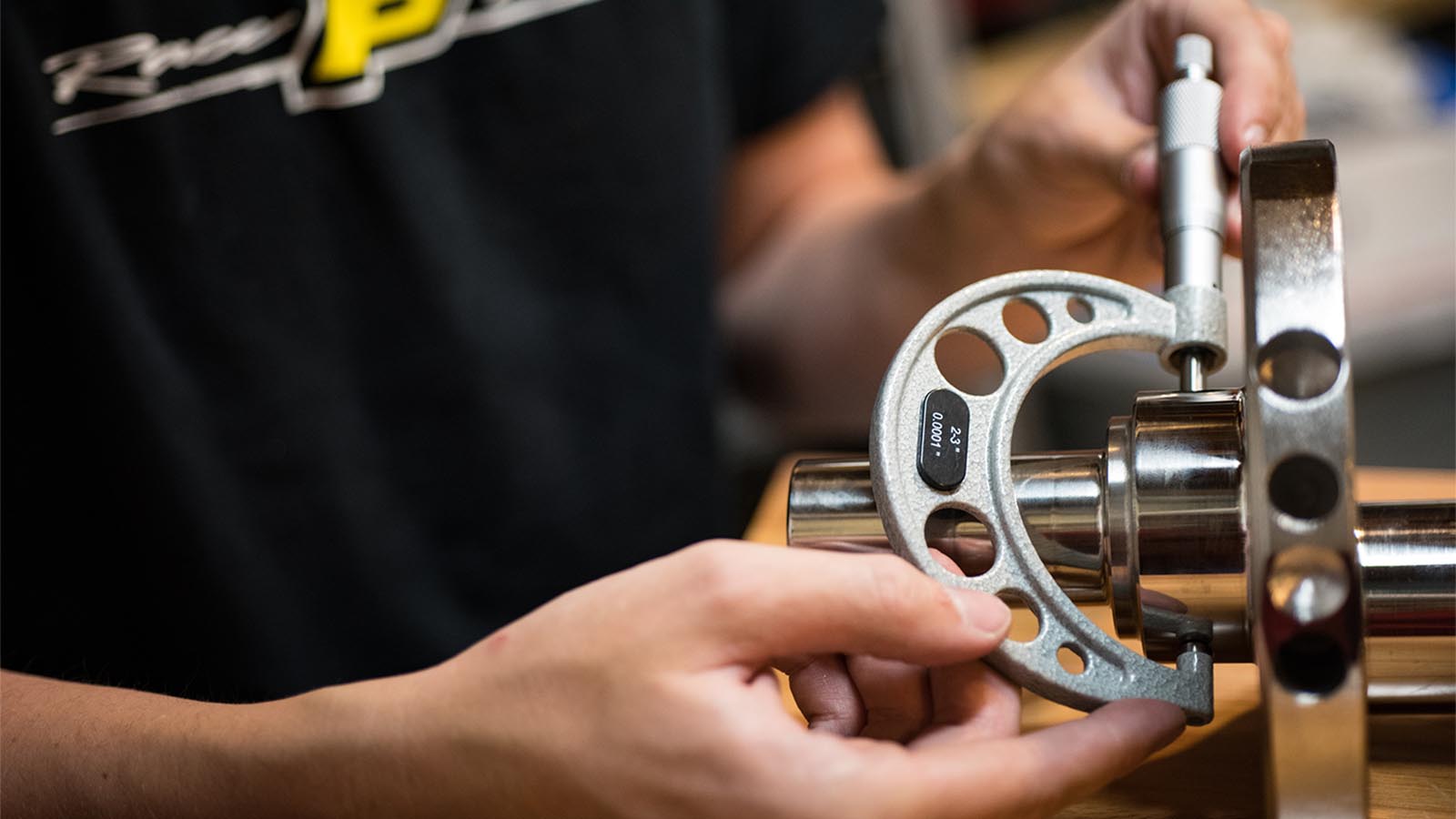
A high-performance harmonic balancers improves engine efficiency by controlling crankshaft vibration, stabilizing rotational forces, and protecting power delivery at higher RPMs. The result is smoother operation, more usable horsepower, and reduced long-term wear on internal components. For drivers who push their engines beyond stock demands, the right balancer is a practical upgrade with measurable impact.
Picture a performance build that looks perfect on paper but feels rough under load, with power falling off sooner than expected. Torsional vibration inside the crankshaft quietly robs efficiency every time the engine revs, especially during hard acceleration or sustained high-speed driving.
That hidden stress is exactly where a high-performance harmonic balancer earns its value, turning chaotic energy into controlled motion and letting the engine work the way it was designed to work.
| Key Takeaway: A high-performance harmonic balancer controls crankshaft vibration so your engine can deliver smoother power, more usable RPM, and long-term durability. If you're pushing higher compression, spinning harder, or upgrading internals, vibration control isn’t optional. It protects your investment and keeps power consistent where it matters most. |
Efficiency Gains You Can Feel
The most immediate benefit of this engine performance upgrade shows up in how the engine feels during everyday driving. Throttle input becomes smoother and more predictable because the crankshaft rotates with less internal resistance from uncontrolled vibration. Acceleration feels cleaner, especially through the midrange, where torsional forces often peak and disrupt power delivery.
As vibration is reduced, more of the engine's energy is directed toward moving the vehicle instead of being absorbed by internal oscillation.
This creates a sense of steadiness at cruising speeds, with less buzzing through the pedals or cabin. Engines often sound calmer as well, not because power has dropped, but because mechanical motion is working in sync rather than fighting itself.
Improved Accessory Drive Stability
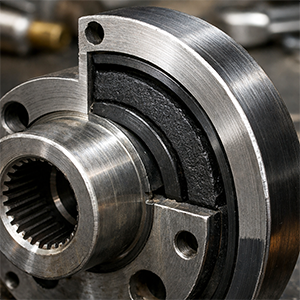
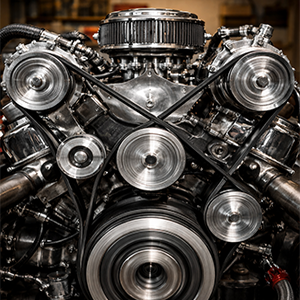
A high-performance harmonic balancer helps stabilize the entire accessory drive system by smoothing the crankshaft's rotational motion at its source. When torsional vibration is reduced, PROFORM parts experience more consistent movement, which lowers sudden load changes that can cause slipping or chatter. This stability allows accessories to operate as designed instead of constantly compensating for uneven crank rotation.
The efficiency benefit of this engine power enhancer becomes more noticeable during sustained driving or under higher loads. Accessories draw power more evenly, which reduces parasitic drag on the engine and supports smoother performance overall.
Heat Management and Material Resilience
Heat is one of the most persistent challenges facing rotating automotive performance parts. Harmonic balancers sit at the front of the engine where they are exposed to constant temperature changes, Radiant heat, repeated stress cycles, and direct airflow.
Standard balancers often rely on basic damping materials that harden or degrade as temperatures rise, reducing their ability to control vibration over time.
High-performance harmonic balancers are engineered with materials designed to maintain their damping characteristics under sustained heat. Advanced elastomers or multi-layer constructions resist breakdown during:
- Long drives
- High RPM operation
- Heavy load conditions
- Extended idling
- Frequent stop-and-go driving
This resilience allows the balancer to continue absorbing torsional vibration consistently rather than losing effectiveness as temperatures fluctuate.
Reliable heat management supports efficiency in the long run. When vibration control remains stable, the crankshaft and accessory drive operate with less friction and stress, even during demanding use.
Long Term Engine Calibration
Modern engines depend on stable mechanical behavior to maintain accurate calibration over time. When torsional vibration is left unmanaged, timing references can drift subtly.
This then causes ignition timing stability and fuel delivery to deviate from their original settings. A high-performance harmonic balancer helps preserve consistent crankshaft motion, which supports stable calibration and predictable engine behavior as mileage accumulates.
This stability matters during real-world driving, not just during initial tuning. Engines that maintain steady rotation respond more accurately to sensor input, allowing control systems to make cleaner adjustments. The result is an engine that continues to run as intended instead of gradually feeling less refined as components wear.
Over the long term, this consistency reduces the need for repeated adjustments or troubleshooting caused by vibration-induced anomalies.
Frequently Asked Questions
What Is the Lifespan of a Harmonic Balancer?
The lifespan of an engine performance upgrade typically ranges from 80,000 to 150,000 miles, though the exact lifespan depends on driving conditions, engine design, and component quality. In many vehicles, the balancer lasts roughly as long as major front-end engine components, but it is not considered a lifetime part.
Over time, heat, oil exposure, and constant torsional stress cause the internal damping material to harden, crack, or separate.
Visual signs such as cracking rubber, separation of the outer ring, timing marks that no longer stay steady, and unusual belt noise often indicate the balancer is nearing the end of its service life.
What Can Cause Excessive Engine Vibration?
Excessive engine vibration is usually the result of imbalances or worn components that disrupt smooth crankshaft rotation. While some vibration is normal during operation, noticeable shaking or harshness signals a mechanical issue that should not be ignored.
Common causes include a failing harmonic balancer whose internal damping material has deteriorated, worn engine mounts, misfires caused by ignition or fuel delivery problems, and imbalanced rotating components.
An out-of-balance crankshaft, damaged flywheel, or improperly balanced pulleys can amplify vibration at specific engine speeds.
Do Harmonic Balancers Wobble?
Harmonic balancers are not supposed to wobble. A properly designed and correctly installed harmonic balancer should spin true with the crankshaft and appear stable at all engine speeds.
Several issues can cause wobble, including degraded damping material, improper installation, crankshaft snout damage, or mismatched components not balanced for the engine application.
Clearly, a high-performance harmonic balancer can be a great option.
Ready to unlock smoother power delivery and protect your engine at higher RPMs? Explore PROFORM's high-performance harmonic balancers, engineered with race-proven precision, patented innovation, and the quality control serious builders expect.
Contact us to upgrade with confidence using components trusted by millions of enthusiasts for over three decades.
|